The safest paint for daycares and schools is zero-VOC with zero-VOC colorants, ideally GREENGUARD Gold. See ventilation times, finishes and EPA lead rules.
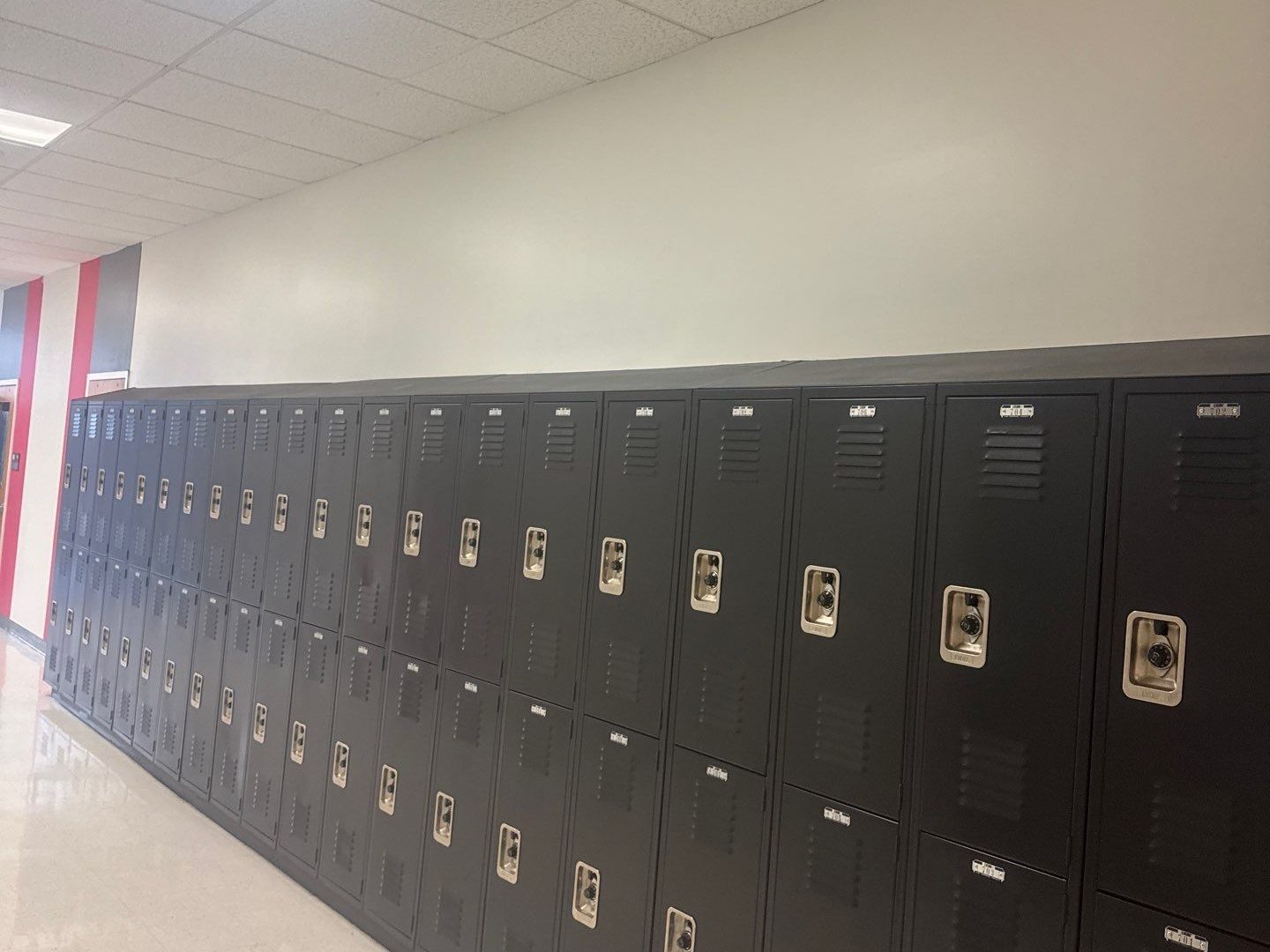

For daycares, preschools and schools, the safest choice is a water-based, zero-VOC paint tinted with zero-VOC colorants, ideally one certified GREENGUARD Gold. Pair it with good ventilation and a schedule that keeps children out of freshly painted rooms for a few days. In buildings built before 1978, federal lead rules also apply, and the painting contractor must be EPA Lead-Safe certified.
This guide is written for the people who manage child-care centers and schools, not for parents painting a nursery. It covers how to choose the paint, what the labels actually mean, how long to wait before children return, which finishes hold up to little hands, and what the EPA requires in older buildings.
For walls and ceilings in classrooms, nap rooms and hallways, look for paint that checks all of these boxes:
Major brands now sell commercial lines that meet all five, so choosing the safer product rarely limits colors or performance.
VOCs (volatile organic compounds) are chemicals that evaporate from paint as it dries. The EPA lists paints among the common indoor sources of VOCs.
The two labels are not legal terms, but the industry uses fairly consistent numbers. A green-building fact sheet published by Alameda County, California describes low-VOC paint as under 50 grams per liter and zero-VOC paint as under 5 grams per liter.
The catch is color. The same fact sheet notes that VOC ratings are generally reported for the base paint before it is tinted, and that most tints add some VOCs, with darker, saturated colors adding the most. A zero-VOC can tinted with ordinary colorants may not be zero-VOC on the wall. When you approve colors, ask the contractor to confirm that the colorant system is zero-VOC too, and consider lighter shades for nap rooms and infant rooms.
For background on VOCs, see our earlier posts on what low-VOC means and how to lower the effects of VOCs.
A VOC number tells you what is in the can. An emissions certification tells you what comes off the wall into the air. GREENGUARD is UL's emissions certification, and Gold is its stricter tier. UL describes GREENGUARD Gold as setting even lower VOC emission limits, intended for nurseries, schools and healthcare facilities. The program was originally known as GREENGUARD Children & Schools.
If your organization, landlord or district has indoor air quality requirements, GREENGUARD Gold is the easiest way to document that you met them. Ask for the product data sheet and the certification listing for the exact product being used.
Low- and zero-VOC paints release much less into the air than conventional paint, which is why they are the standard choice for child-care spaces. That does not mean any fresh paint is fine to sleep or play next to on the day it goes on. Children breathe faster than adults and spend much of their day close to walls and floors, so the safest approach is to keep them out of the room while it is painted and while it airs out.
Odor is not a reliable test. Some compounds released while paint dries can't be smelled at all, and some low-VOC paints still have a mild smell from other ingredients. Plan around time and ventilation, not around whether the room smells like paint.
If a child has asthma or another respiratory condition, let families know the painting schedule ahead of time, and follow any guidance from the child's doctor.
Plan for at least two to three days of ventilation before children use the room. Montgomery County, Maryland's environmental protection department notes that latex paint can look dry within hours, yet recommends continuing ventilation for at least 48 hours, and preferably 72 hours, after that. The EPA likewise advises maximum ventilation during painting.
In practice, that means:
Schools and child-care centers need paint that survives handprints, crayons, backpacks and daily cleaning. Most use a commercial-grade, zero-VOC acrylic in finishes matched to the surface:
Our guides to eggshell vs. satin and paint sheens explain the trade-offs in more detail.
If your center or school building was built before 1978, they very likely do. The EPA's Renovation, Repair and Painting (RRP) Rule covers "child-occupied facilities," meaning buildings, or parts of buildings, built before 1978 and visited regularly by the same child under age six. Per the EPA's RRP guidance, that means visits on at least two different days a week, at least three hours a day and at least six hours a week, and at least 60 hours a year. Daycares, preschools and kindergarten classrooms are the typical examples.
What the rule means for a painting project:
Not sure when your building was built? Check the property records or ask your landlord before you request quotes, so every contractor bids the same requirements.
Our guide to painting an occupied commercial building covers phasing, exits and occupant notices in more detail.
For daycares and schools, choose a water-based, zero-VOC paint with zero-VOC colorants, ideally GREENGUARD Gold certified, in a scrubbable finish. Schedule the work so rooms can ventilate for 48 to 72 hours before children return, keep children out of active work areas, and tell families what is happening. If the building was built before 1978, hire an EPA Lead-Safe certified firm, because the federal lead rules apply.
My Painter & Exteriors paints schools, child-care centers, churches and offices across Northern Virginia and DC, working around class schedules and occupied buildings. See our commercial interior painting services, or request a free estimate and we will walk your building and build a schedule around your children and staff.

The safest paint for daycares and schools is zero-VOC with zero-VOC colorants, ideally GREENGUARD Gold. See ventilation times, finishes and EPA lead rules.

You can repaint an office, school or apartment building without closing it. See how to schedule the work, control odor, keep exits clear and notify occupants.
Most HOA and condo exteriors need repainting every 5 to 10 years. See repaint intervals by surface, Virginia reserve study rules, and how to plan a repaint.


