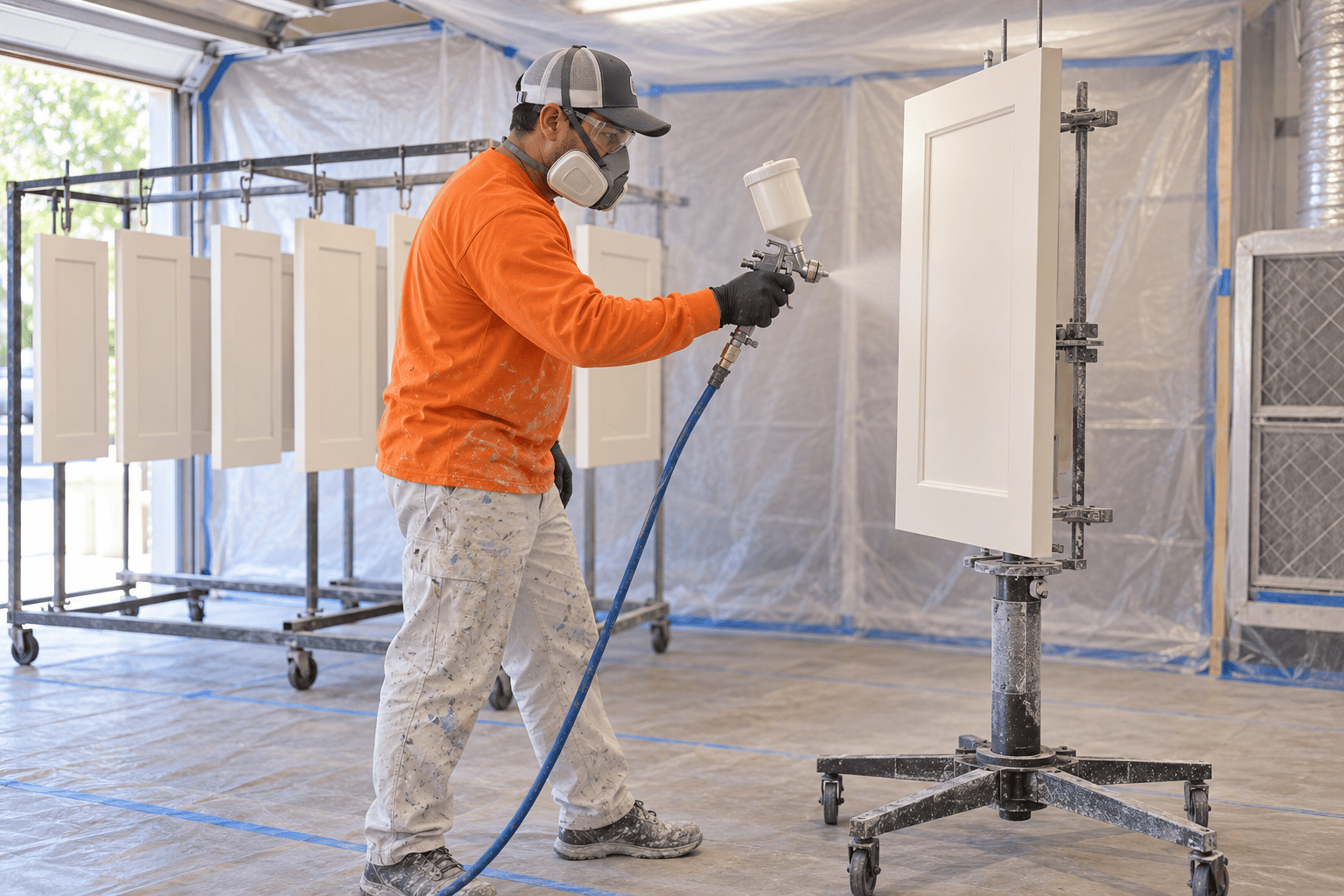
Most HOA and condo exteriors need repainting every 5 to 10 years. See repaint intervals by surface, Virginia reserve study rules, and how to plan a repaint.
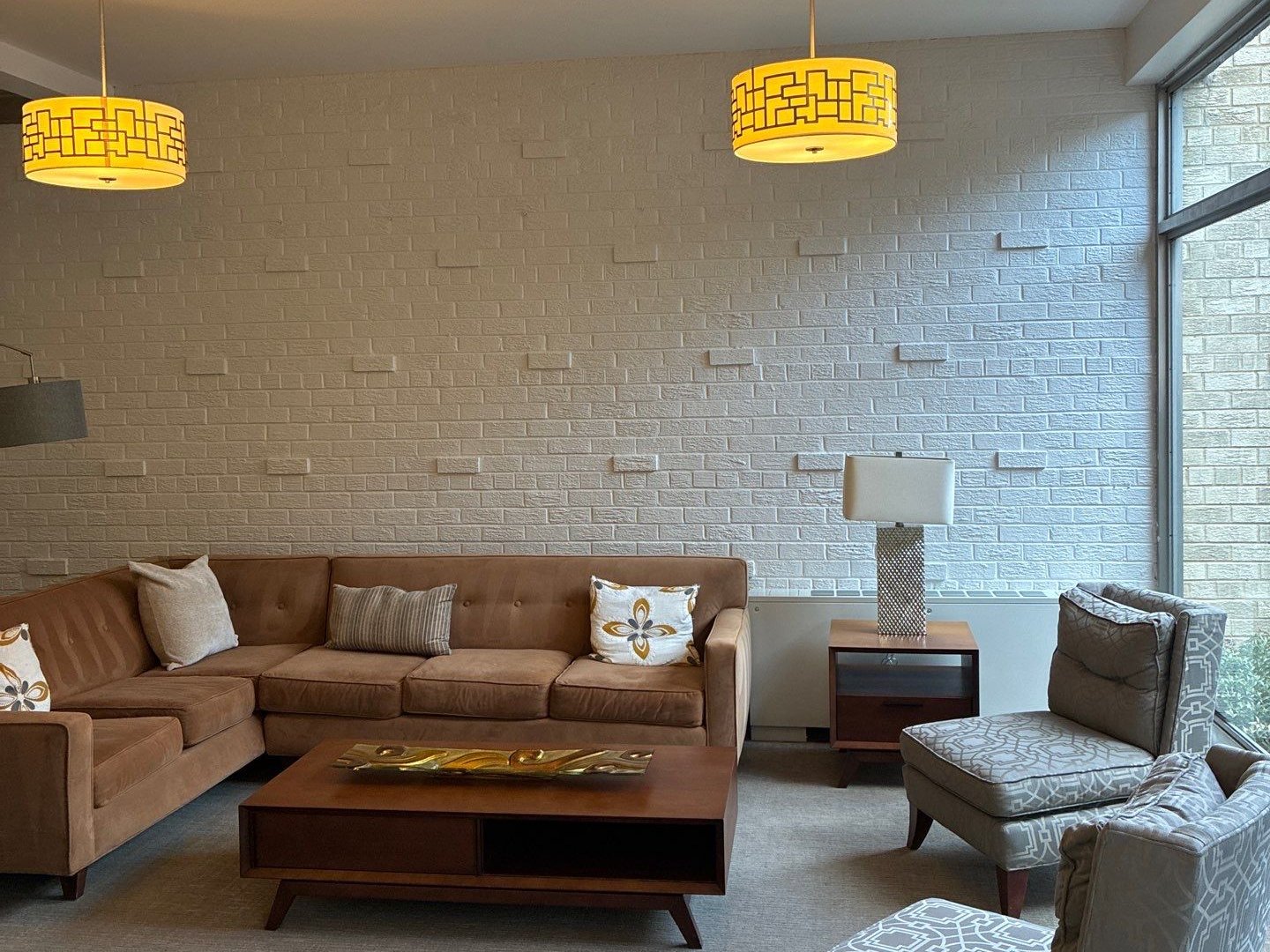

Most HOA and condo exteriors need repainting every 5 to 10 years, with wood siding and trim on the shorter end and brick, fiber cement and well-maintained masonry on the longer end. Reserve study examples commonly use a 5-year cycle for exterior paint, so if your community has gone longer than that without a condition check, it is time to look.
For a board, the harder question is not how often, but how to plan, fund and run a repaint without surprises. This guide covers repaint intervals by surface, what Virginia law says about reserve studies, the signs that a building is due, and how to manage a community repaint from bids to final walk.
Most commercial and multifamily exteriors need repainting every 5 to 10 years, according to recent guidance from commercial painting contractors such as Van Tuinen Painting and H&H Painting. The surface material makes the biggest difference.
Source: WOW 1 DAY PAINTING's exterior painting frequency guide.
Most Northern Virginia communities mix materials, such as brick buildings with wood or composite trim, so the trim usually sets the schedule. Doors, railings, balconies and other high-wear details often need attention between full repaints. South and west-facing walls that take the most sun tend to fade and chalk first.
Interiors run on their own clock. Lobbies, hallways and stairwells in a condo building take far more wear than a typical home, so common areas are often repainted more often than the exterior.
In most communities, yes. Exterior paint has a predictable useful life, it is usually the association's responsibility, and it is expensive enough that it takes years of saving to fund. That is why reserve study firms now include it as a reserve component. Reserve Data Analysis notes that paint and sealing pass the National Reserve Study Standards' four-part test, even though some associations used to treat painting as a routine maintenance expense.
The reserve study guide published by the California Department of Real Estate uses a 5-year useful life for painting in its worked examples, and warns that published useful-life numbers may not fit every location. Your own study should reflect your buildings, materials and exposure.
Before you budget, check your governing documents to confirm exactly which surfaces the association maintains and which belong to owners. Front doors, decks and balconies are common gray areas.
Virginia law requires both HOAs and condominium associations to study their reserves at least once every five years.
When a study shows reserves are needed, the annual budget must list the estimated replacement cost, remaining life and useful life of each capital component, along with the reserve balance and planned contribution. Exterior paint is often one of the larger lines on that list, so it pays to make sure the study's paint cost and timing match the actual condition of your buildings. A painting contractor's condition walkthrough is a useful reality check before the next study update.
This is general information, not legal advice. Your association's attorney or manager can confirm how these rules apply to your community.
Do not wait for the calendar if the building is telling you it is due. Walk the property and look for these signs.
The cost of waiting is real. A repaint done while the old coating is still mostly sound needs less scraping, fewer repairs and less primer than one done after the paint has failed. If you are seeing peeling in the same spots year after year, our guide on why exterior paint keeps failing in the same spot explains the usual causes.
Often, yes, as long as the existing paint is still well bonded. Sound paint can be cleaned, lightly sanded where needed, spot-primed and recoated. Paint that is peeling, flaking or chalking heavily cannot simply be covered, because the new coat is only as strong as what is under it. Loose paint has to come off, chalky surfaces need to be washed and primed, and bare wood or patched areas need primer before the finish coats.
This is the main reason two bids for the same building can be so far apart. One contractor may be pricing real prep, and the other may be pricing a coat of paint over problems that will show up again in two or three years.
A community repaint is a project with a lot of moving parts and a lot of neighbors watching. These steps keep it on track.
For a sense of budget before you collect bids, see our guide to commercial painting cost in Northern Virginia.
Some problems show up the day the crew leaves. Others take a season or two. Watch for:
A written warranty and a documented final walk are a board's best protection. If a problem shows up later, you want both the contractor's promise and a record of how the building looked at handoff.
Plan on repainting most HOA and condo exteriors every 5 to 10 years, sooner for wood trim and later for brick and fiber cement, and let the condition of the buildings, not just the calendar, decide the timing. Keep paint in your reserve study, check that the study's numbers match reality, and bid every repaint from one clear scope.
My Painter & Exteriors paints condo buildings, HOA communities and clubhouses across Northern Virginia and DC, and we are happy to walk your property ahead of your next reserve study or repaint. Learn more about our commercial painting services, or request a free estimate.
Most HOA and condo exteriors need repainting every 5 to 10 years. See repaint intervals by surface, Virginia reserve study rules, and how to plan a repaint.

Commercial painting usually costs $1.50 to $6 per square foot. See typical prices by building size, what drives the cost, and how to compare quotes.