Learn why paint fails in specific areas, how primer and product selection affect durability, and what repairs prevent peeling.
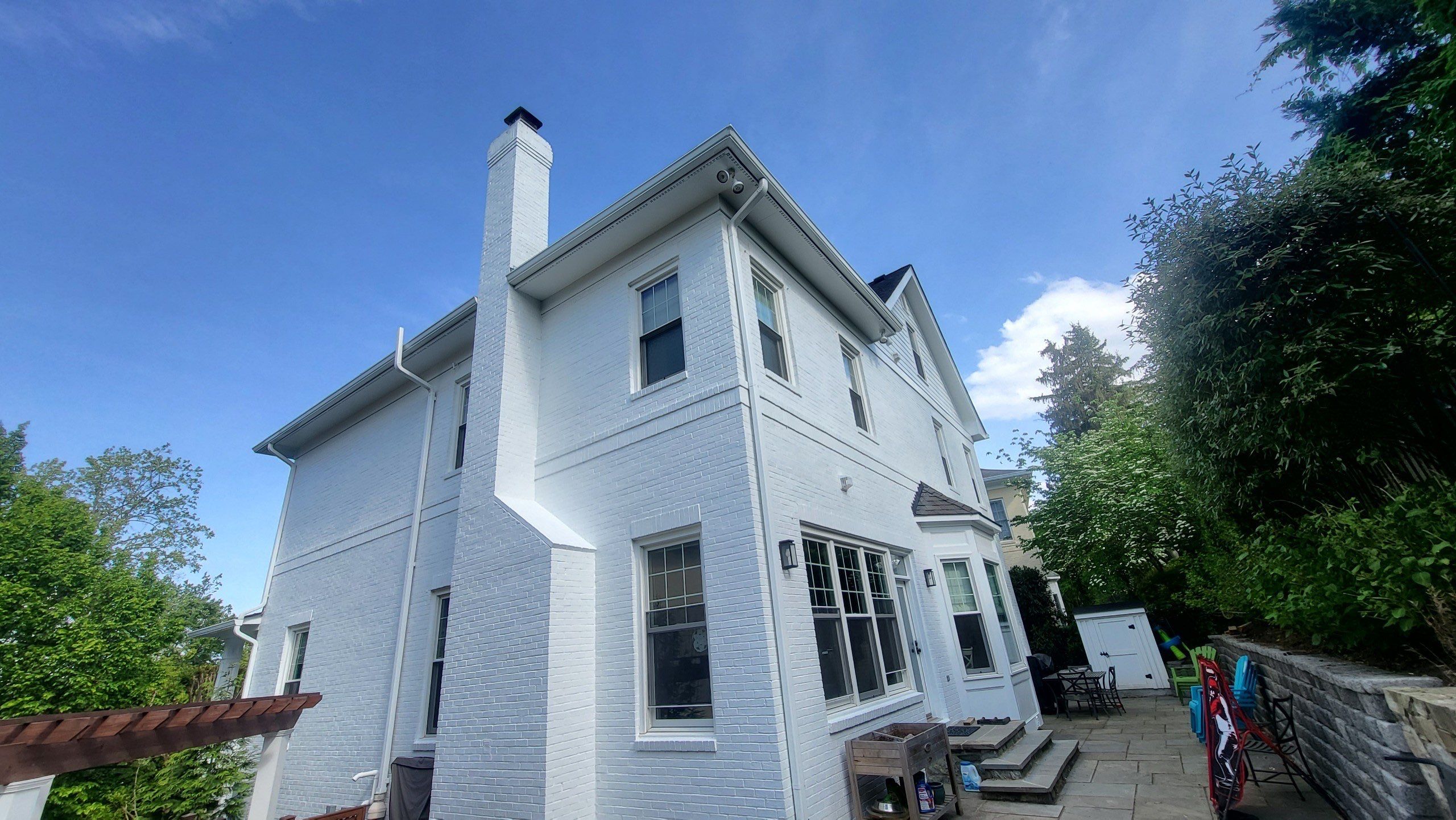

If you have a section of your home where exterior paint keeps peeling, cracking, or falling off while the rest of the house looks fine, you are not alone. This is a common homeowner frustration and it usually points to an underlying issue beyond the paint itself. Understanding why paint fails repeatedly in the same area is the key to fixing it correctly and preventing another cycle of repairs.
Recently, we spoke with a homeowner in Lorton, VA who had one exterior section repaired multiple times while identical areas nearby held up just fine. That contrast is often the biggest clue that something specific is causing repeated paint failure.
Exterior paint failure is rarely random. Certain parts of a home are exposed to harsher conditions or hidden problems that make paint break down faster.
Some areas of a home take the brunt of wind, rain, sun, and temperature swings. South and west facing surfaces often experience stronger UV exposure, while corners, columns, and projections may collect more moisture during storms. Over time, this repeated stress causes paint to lose adhesion and peel.
Moisture is one of the most common causes of premature exterior paint failure. Water can enter through small gaps, failed caulking, poor flashing, condensation, or absorbed moisture in wood. When moisture tries to escape, it pushes the paint outward, leading to bubbling, blistering, cracking, and peeling.
Industry guidance from paint manufacturers and building science sources consistently identifies trapped moisture as a leading cause of peeling paint on exterior wood and trim.
Paint needs a clean, stable surface to bond properly. If old peeling paint was not fully removed, bare wood was not primed, or repairs were patched incorrectly, the new paint layer will fail quickly, often within a few seasons. Surface preparation and priming are just as important as the paint itself.
Not all exterior paints perform the same. Paint must be matched to both the material and the exposure level. Using a product not designed for exterior use, heavy weather exposure, or the specific substrate can result in early failure even if the paint initially looks fine.
Yes. Paint selection plays a major role in long term performance.
Modern acrylic latex exterior paints are generally more flexible than oil based paints. This flexibility allows them to expand and contract with temperature changes, which helps reduce cracking and peeling over time. Oil based paints can penetrate wood well but may become brittle as they age, especially in areas with strong sun exposure.
Exterior paints are formulated to resist UV rays, moisture, and temperature changes. Interior paints or low durability coatings break down quickly outdoors and are not designed to withstand repeated weather cycles.
Primer is critical when dealing with bare wood, patched areas, or weathered surfaces. Skipping primer or using the wrong type prevents proper adhesion and increases the likelihood of early paint failure.
When only one area keeps failing, it usually points to a localized issue.
Decorative trim, columns, joints between materials, and edges are more vulnerable because they collect water and experience more movement than flat wall surfaces.
If a section was repaired cosmetically instead of structurally, or if damaged wood was filled rather than replaced, paint failure is often the first visible sign that the repair did not fully address the problem.
Insects, birds, or small impact damage can create entry points for moisture. Even minor openings can allow water in, accelerating paint breakdown after repainting.
Preventing repeat paint failure requires addressing the cause, not just the surface.
Any gaps, leaks, or moisture sources must be fixed before repainting. Painting over an active moisture problem almost always leads to another failure.
Rotten or compromised wood should be replaced, not patched. Paint performs best when applied to sound, stable substrates.
High quality exterior paints and primers designed for the specific material and exposure level significantly improve durability. Independent testing shows that some exterior paints can perform well for many years, but performance varies by product and application. Price alone does not guarantee longevity.
Thorough scraping, sanding, cleaning, and priming are essential steps. Skipping or rushing prep work is one of the most common reasons exterior paint jobs fail prematurely.
In general, exterior paint often lasts about 5 to 10 years, depending on factors such as climate, sun exposure, surface material, preparation quality, and paint selection. If paint is failing well before that range, it usually indicates an underlying issue like moisture intrusion, poor prep, or improper materials.
If paint continues to peel in the same spot, if you see exposed wood, cracking, or bubbling, or if repairs have already been attempted multiple times, it is time for a professional evaluation. An inspection helps identify moisture problems, material damage, and prep issues before they turn into larger repairs.
At My Painter and Exteriors, we focus on understanding why paint failed, not just making it look better temporarily. If you are dealing with recurring issues with your exterior painting in Lorton, VA, contact us to schedule an inspection or request a free estimate so we can help you fix it the right way.