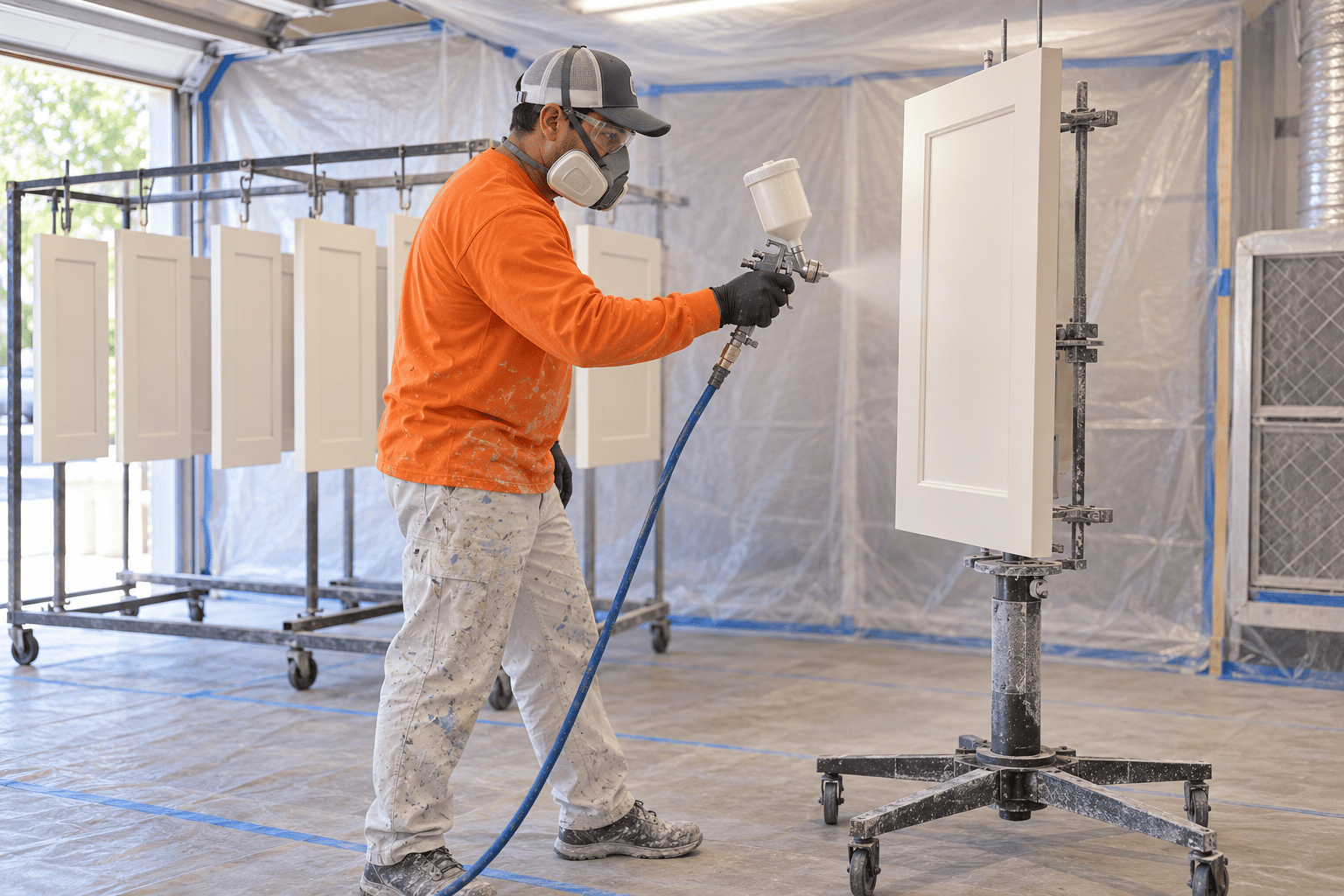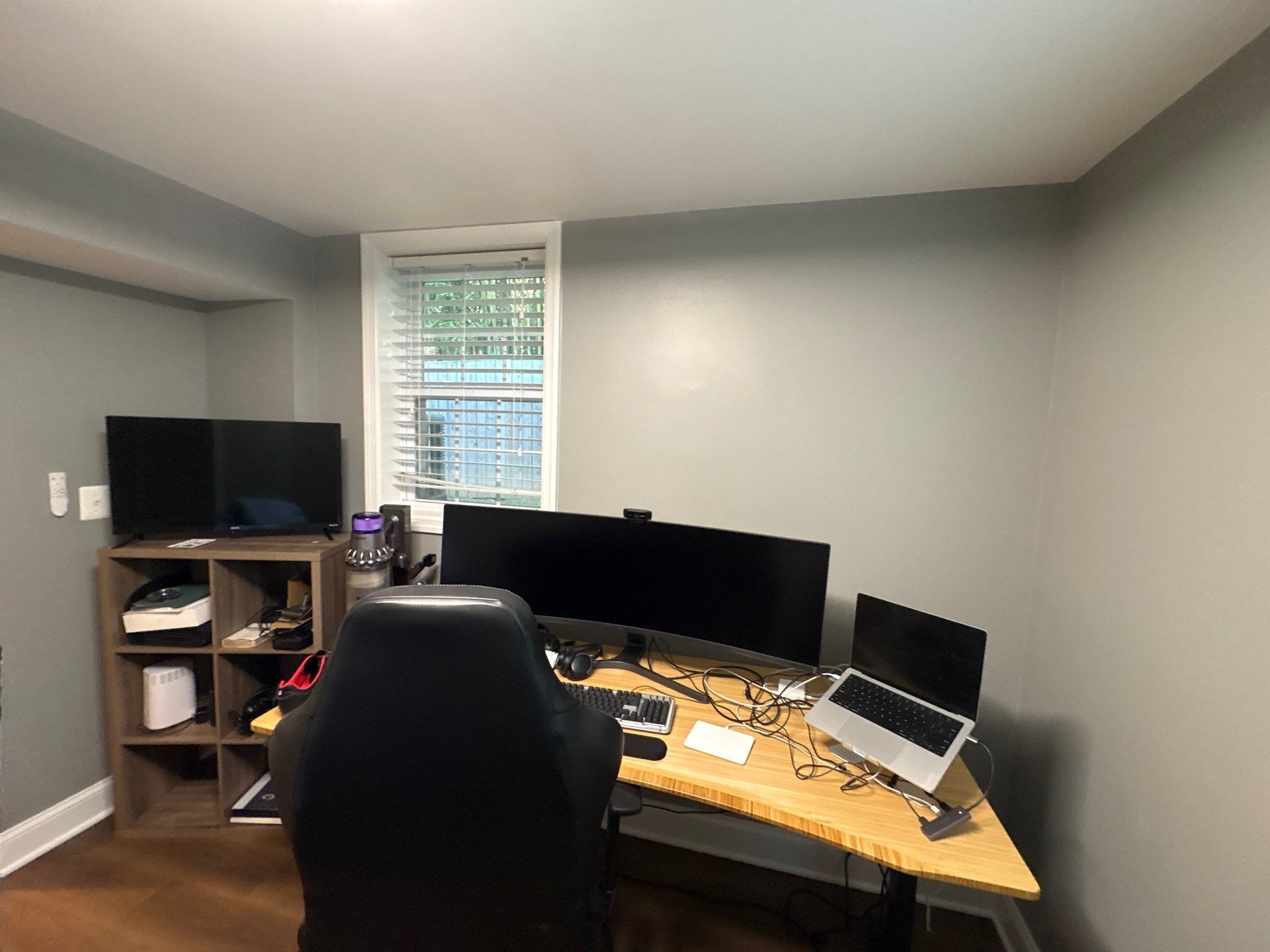

Eggshell vs satin is usually a choicebetween a softer appearance and easier cleaning, but the exact paint linematters as much as the sheen label. Eggshell is often a good fit for livingrooms and bedrooms where you want the walls to stay visually quiet. Satin canmake sense in busy rooms that need more frequent wiping, especially when thewall is smooth and the product is approved for that space.
The wrong finish can draw attention topatched drywall, create more reflection than you expected, or fall short of thecleaning routine the room requires. The right finish balances appearance, wallcondition, and product performance.
Use the room-by-room guidance below as astarting point, then check the technical information for the exact paint youplan to buy.
· What is a better finish, eggshell or satin?
· What are thedisadvantages of eggshell paint?
· Is satin too shiny for a living room?
· Is eggshell too shiny for walls?
· When should you not use eggshell paint?
· What sheen do most painters use?
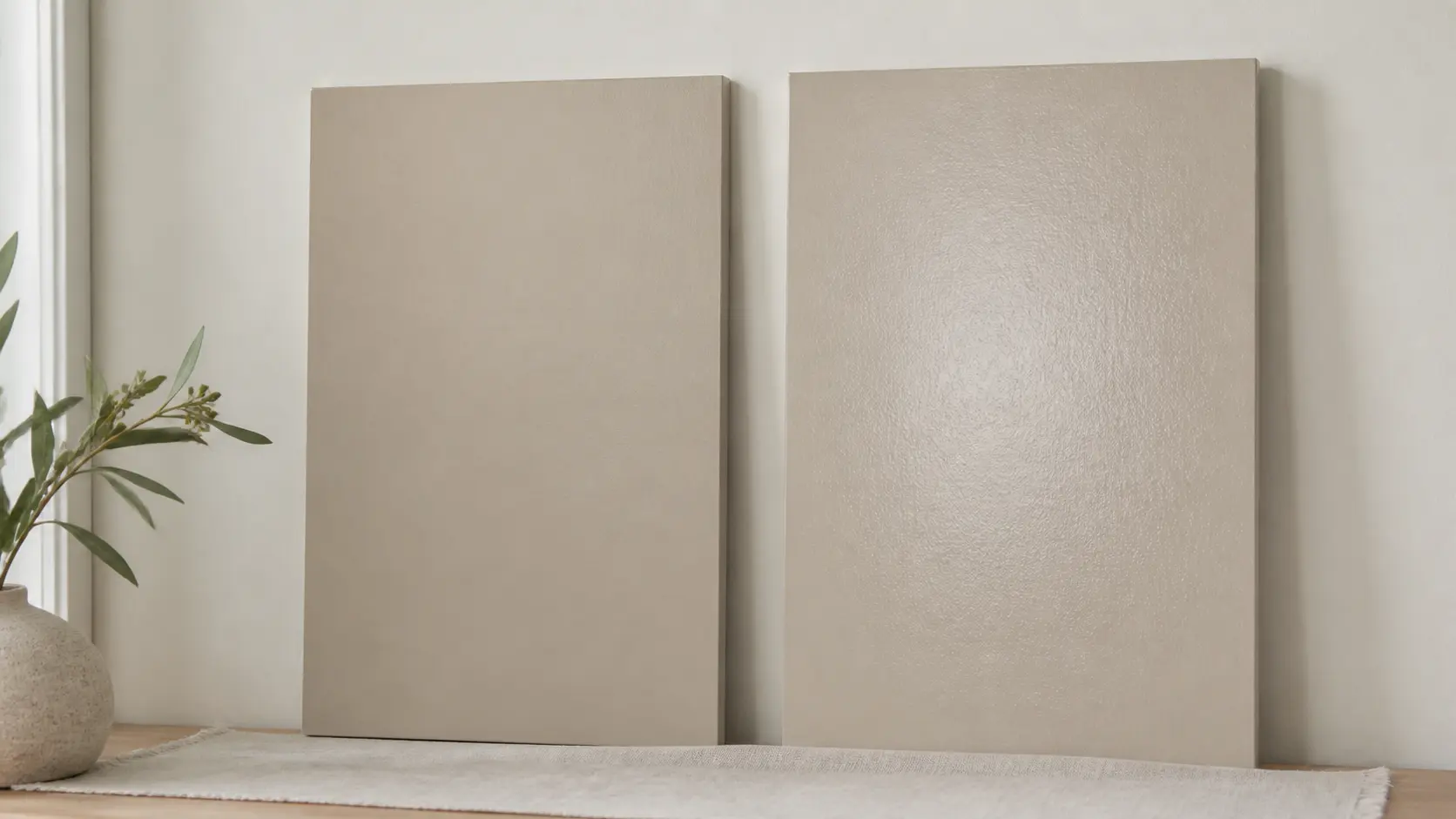
Neither finish is better in every room.Eggshell is usually the better starting point when you want less reflection anda more forgiving look. Satin is usually the better starting point when frequentcleaning matters more than hiding small surface irregularities.
Within the same product line, satin isgenerally a little more reflective than eggshell. Higher-sheen finishes alsotend to draw more attention to dents, patch edges, roller marks, and texturechanges. The Sherwin-Williams guide to paint sheendescribes satin and low-lustre finishes as slightly higher in sheen thaneggshell and explains the usual tradeoff between easier cleaning and greatervisibility of surface flaws.
Treat those names as a starting pointrather than a universal measurement. Manufacturers group and measure sheensdifferently, and modern lower-sheen paints can be formulated for betterwashability than older products. Compare samples and the product data for theexact coating, not just the word on the can.
Eggshell can be less forgiving of repeatedcleaning than a higher-sheen finish in the same paint line. On a wall thatcollects handprints, cooking residue, or frequent scuffs, that can mean morevisible wear or a polished-looking spot after aggressive rubbing.
That limitation is not identical acrossevery brand or product. Some current eggshell and matte coatings are made forwashable walls. The useful question is whether the exact product is rated forthe room and cleaning method you expect to use.
Eggshell also cannot make damaged wallslook finished. It may soften the appearance of minor irregularities, but dents,torn drywall paper, raised patch edges, and uneven texture still need proper drywallrepair before painting. Good preparation matters more than choosinga lower sheen to disguise a defect.
Satin is usually not too shiny for a livingroom, but it can look busier than eggshell when strong window or lamp lightcrosses the wall. The decision depends on the wall condition, the amount ofcleaning the room needs, and how the exact paint reflects light.
A smooth living room used by children orpets may benefit from a washable satin product. A room with visible patches,wavy plaster, or heavy texture may look calmer in eggshell because the lowerreflection draws less attention to those changes.
Test the actual color and finish on theactual wall. Look at the sample from several angles in daylight and after theroom lights are on. A small paper color chip cannot show how sheen will reactwith the wall texture and lighting.

Eggshell is usually not too shiny forinterior walls. It sits below satin in the typical sheen range and gives wallsa mild glow rather than a glossy finish.
It is a practical starting point forbedrooms, living rooms, dining rooms, and other spaces where you want somecleanability without making the wall highly reflective. Still, one brand'seggshell can look different from another brand's version. Sample the exactproduct before choosing it for a large connected space.
Color can also change the way sheen feelsin a room. Dark colors and walls facing strong light can make reflection morenoticeable. Judge color and finish together rather than selecting each one inisolation.
Do not choose eggshell by habit for asurface that needs frequent washing, receives regular splashes, or gets handledthroughout the day. In those situations, start by comparing satin, semi-gloss,or another coating made for the surface and room.
Kitchens and bathrooms need more than ageneric sheen rule. Confirm that the coating is approved for interior walls inthe conditions you have, follow its surface-preparation requirements, andaddress leaks or persistent moisture before painting. A higher sheen does notcorrect an active moisture problem.
Trim, doors, railings, and cabinets alsohave different wear patterns from drywall. Use a coating made for thatsubstrate and service level instead of assuming wall paint in eggshell willprovide the finish you need.
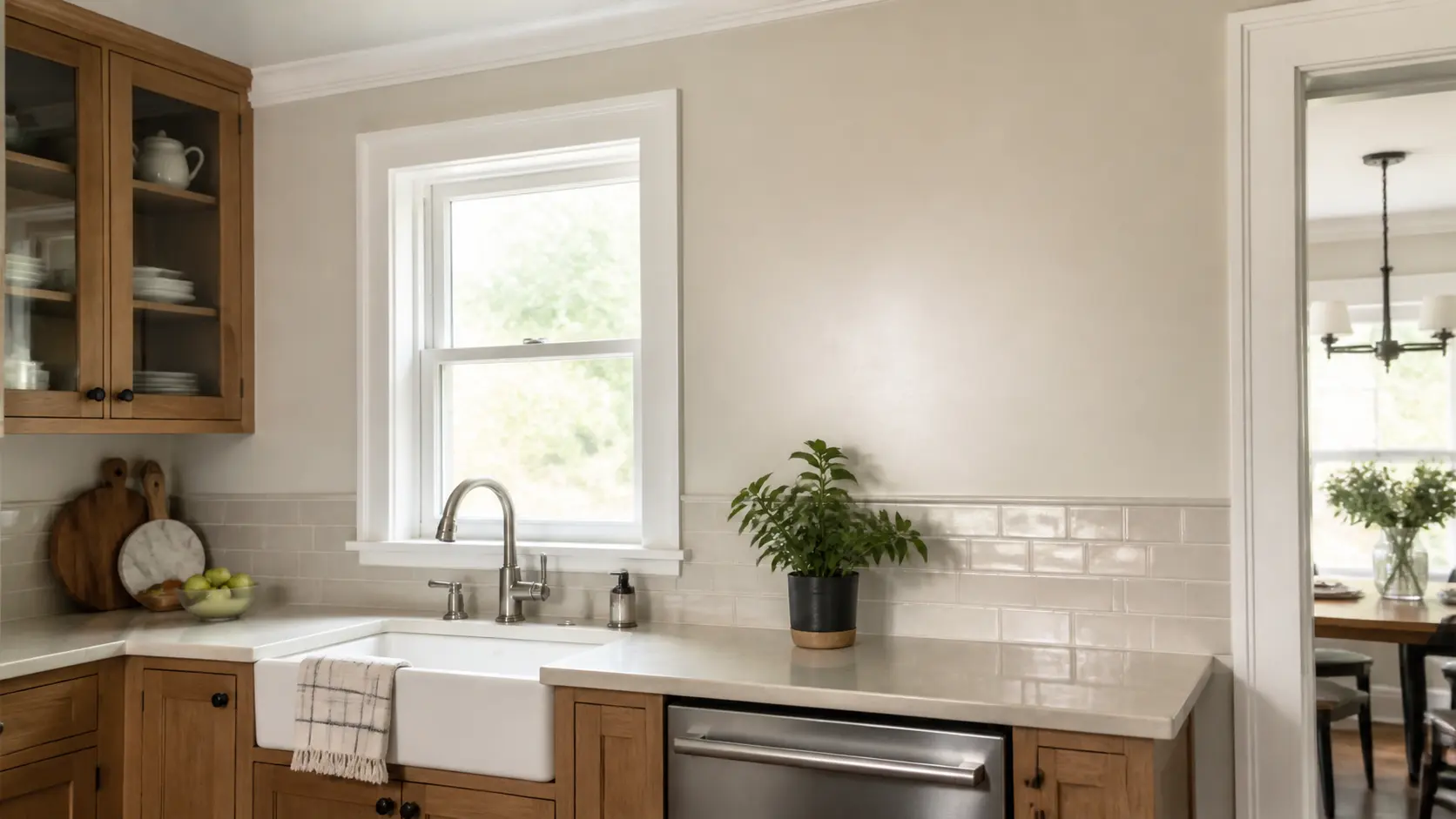
There is no single sheen that painters usefor every wall and surface. A common starting system is flat or matte onceilings, eggshell or satin on walls, and satin or semi-gloss on trim, but thecoating line, substrate, room, and desired look can change that plan.
For walls, eggshell and satin both belongin the conversation. Eggshell often suits quieter rooms and walls with smallimperfections. Satin often suits spaces that receive more contact and cleaning.For trim and doors, a coating designed for those surfaces matters more thansimply moving one step higher in sheen.
Choose the finish in this order.
1. Read the label and technicaldata for the exact paint line. Confirm the recommended surfaces, roomconditions, and cleaning guidance.
2. Match the room's use. Considermoisture, splashes, handprints, scuffs, and how often the wall will be wiped.
3. Inspect the surface under sidelight. Repair and smooth defects that a more reflective finish could emphasize.
4. Apply a sample and view it inthe room's daytime and evening light before buying the full amount.
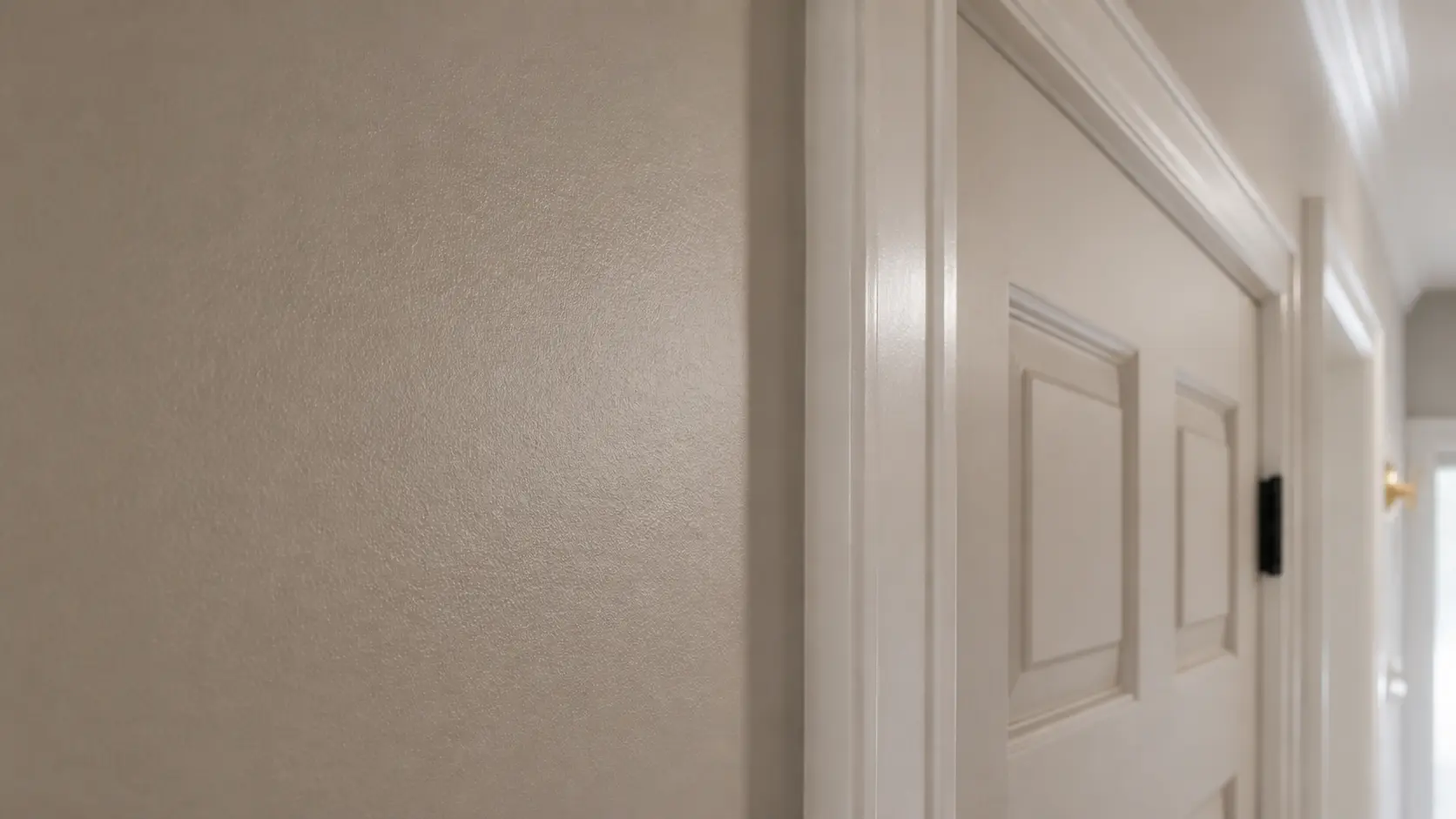
Eggshell vs satin is a decision about thewhole room, not just shine. Eggshell usually gives walls a softer, moreforgiving appearance. Satin usually gives more reflection and can be a betterstarting point for surfaces that need frequent cleaning.
Compare the exact paint products, inspectthe wall, and test the finish in the room before committing. My Painter &Exteriors' color and sheen selection service can help mapfinishes across walls, ceilings, trim, and other painted surfaces.
My Painter & Exteriors provides interior house painting for homeowners inArlington and Northern Virginia. The project can include surface preparationand finish selection for the walls, ceilings, and trim in each room.
Requesta free estimate to discuss the rooms you want to paint and thefinish options that fit the surfaces and cleaning needs.