
In 2026, epoxy garage floor cost runs about $3 to $12 per square foot installed by a pro, which puts a typical two-car garage in the $2,000 to $5,400 range. Where you land in that spread comes down to your garage size, the condition of the concrete, and the coating system you choose.
This guide walks through what you actually pay, how much epoxy you need, the real trade-offs, and when another coating makes more sense. If you own a home in Arlington or the wider Northern Virginia area, the same numbers apply, with a little movement for local labor rates and the age of your slab.
In this article
• How much does it cost to epoxy a 2 car garage floor?
• How much epoxy do you need for a 1000 sq ft floor?
• What is the downside of epoxy flooring on concrete?
• Is it worth epoxying your garage floor?
• What is better than epoxy for a garage floor?
• Can mold grow under an epoxy floor?
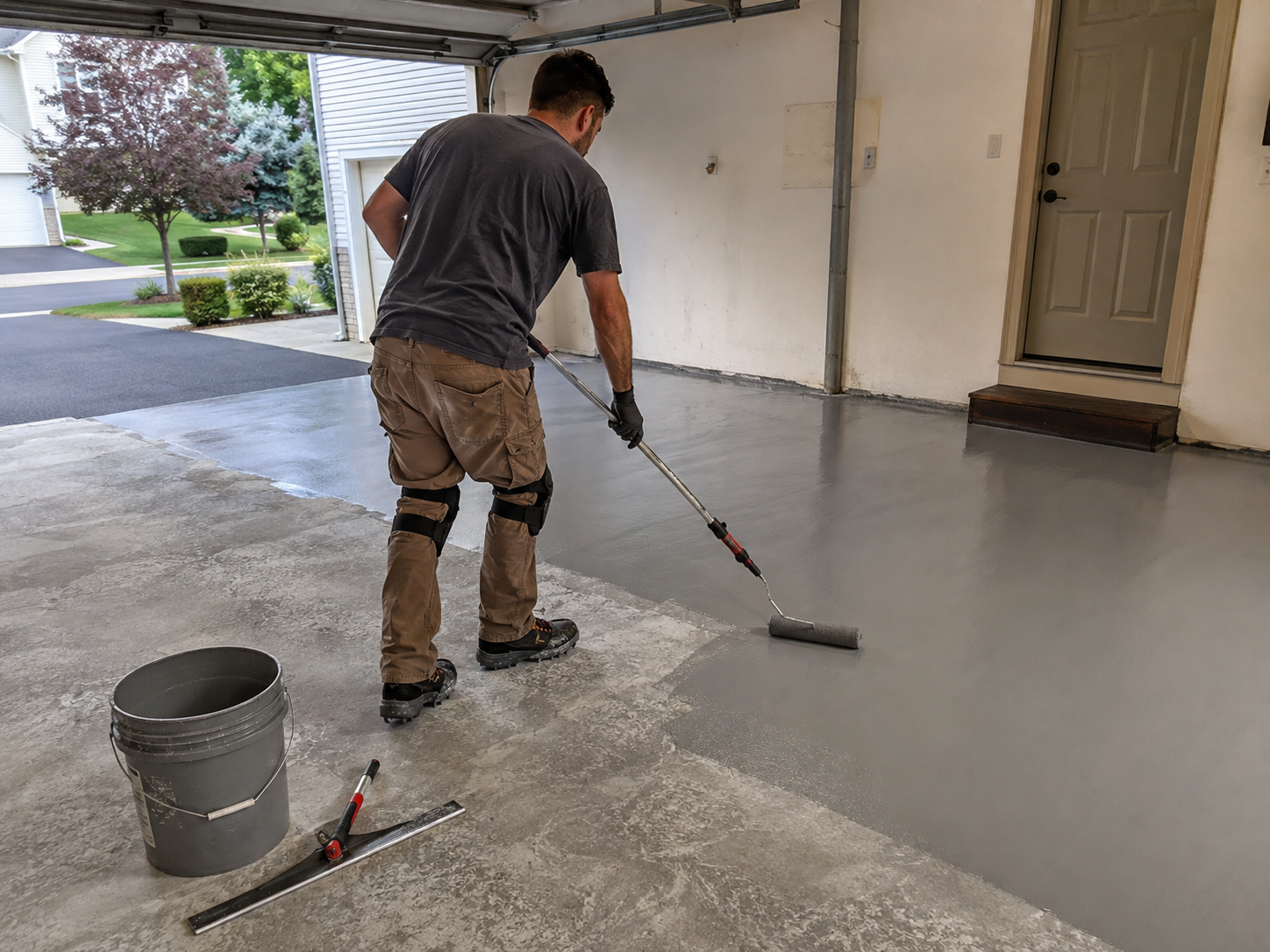
A two-car garage usually costs $2,000 to $5,400 to epoxy with a professional crew. Most standard bays run 400 to 600 square feet, and the going rate lands around $5 to $7 per square foot for a solid mid-range system. Simple jobs on clean, sound concrete can dip lower, while heavy repair work and premium coatings push toward the top of the range. National cost guides such as Angi's epoxy flooring cost breakdown put professional installation at $3 to $12 per square foot in 2026.
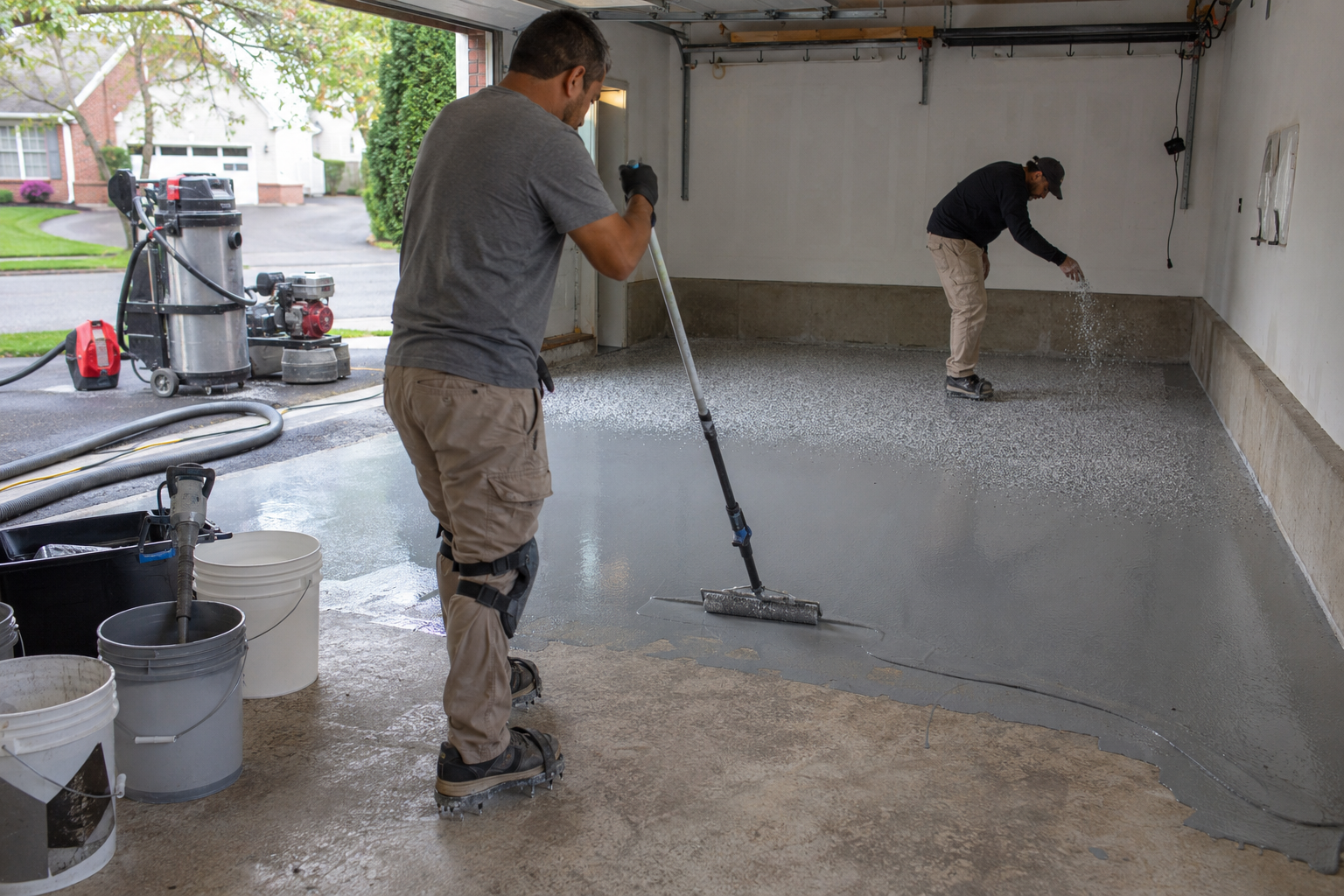
The price splits into two parts. Materials run about $1 to $5 per square foot, and labor adds roughly $3 to $5 per square foot. Labor is where most of the money goes, because a good crew grinds the concrete, fills cracks and joints, and applies multiple coats with cure time in between. A bargain quote that skips the prep is the one that fails first.
A DIY kit lowers the sticker price but shifts the risk to you. Here is how the two paths compare on a typical two-car floor.
Plan on about 15 to 20 gallons of epoxy for a 1,000 square foot floor with a standard two-coat system. One gallon of a basic floor coat covers about 100 to 150 square feet per coat, so a single coat over 1,000 square feet eats 7 to 10 gallons, and a second coat brings you to the 15 to 20 gallon range.
Primer stretches further, around 150 to 200 square feet per gallon, while a thicker topcoat covers less. Always buy 10 to 15 percent extra. Older concrete is thirsty, and open expansion joints, porous spots, and surface pits all drink more product than a smooth new slab. Running short mid-coat is a fast way to end up with visible lap lines.
Coverage numbers vary by brand, so check the manufacturer data sheet for the exact product you buy.
A clear coverage guide like the one from EpoxyMaster can help you size the order before you start.
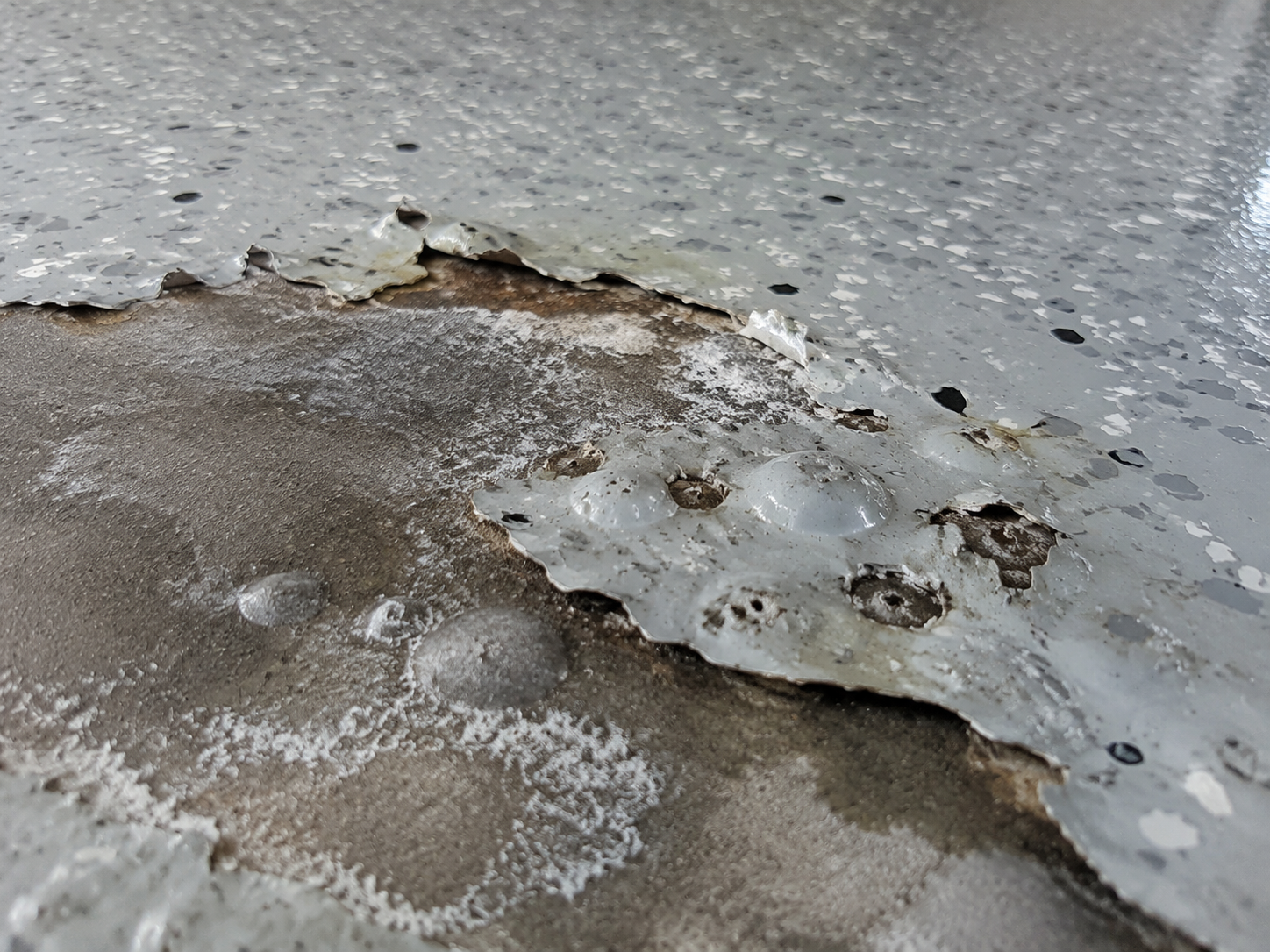
The biggest downside is that epoxy can peel, bubble, or lift if the concrete holds moisture or was not prepped correctly. Epoxy bonds to a clean, porous surface through what installers call a mechanical bond. Skip the grinding or coat a dirty slab, and the coating never grabs. Poor prep is the number one reason garage epoxy fails.
Moisture is the next culprit. Water vapor moves up through a concrete slab from the soil below, and epoxy seals off its escape route. Trapped vapor builds pressure that can push the coating right off, sometimes taking flecks of concrete with it. The All Garage Floors guide to epoxy peeling points to slab moisture as one of the most common failure points.
A few other trade-offs are worth knowing. Hot tires can pull at the coating over time, a problem installers call hot tire pickup. Some epoxies yellow or fade under sunlight. The surface gets slick when wet unless an anti-slip additive goes in. And the job is not fast, since a proper cure means a multi-day process, not a weekend.
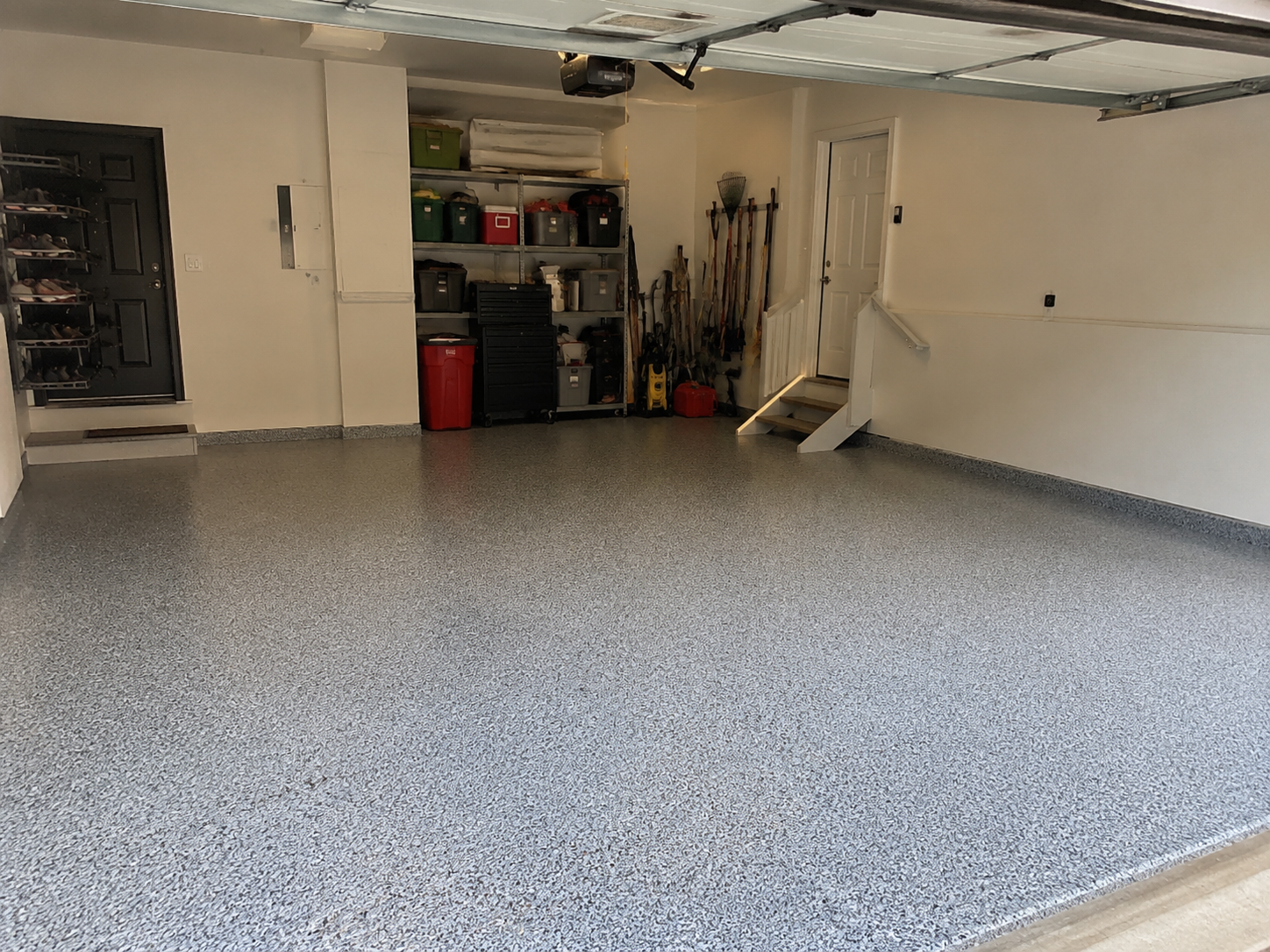
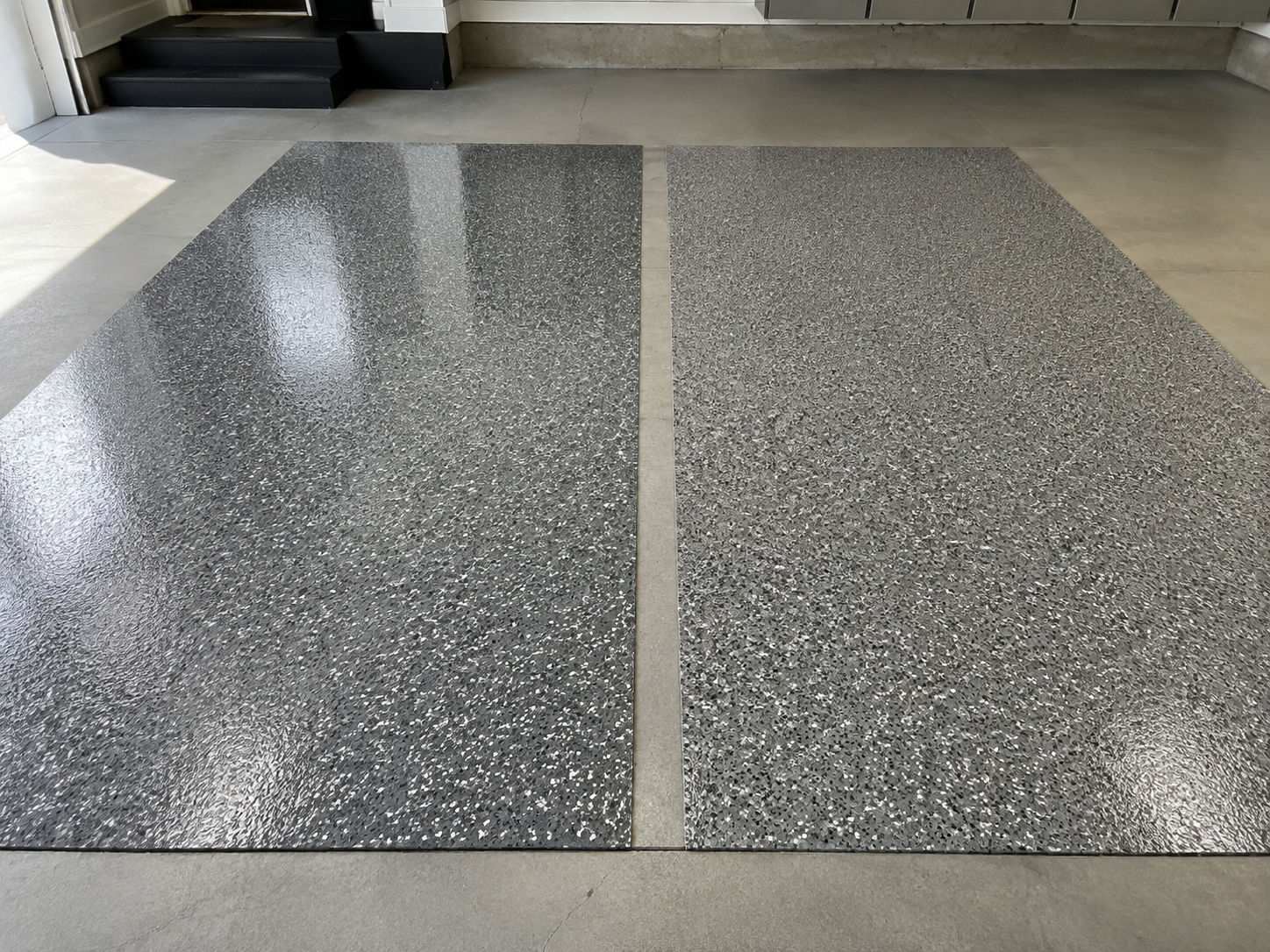
For most homeowners, yes, epoxying a garage floor is worth it, as long as the slab is dry and structurally sound. A good epoxy floor shrugs off oil, salt, and dropped tools, wipes clean with a mop, and bounces light around a space that used to feel like a dim cave. It also hides the stains and dust that bare concrete never stops producing.
The math changes when the slab has problems. A floor with active moisture, deep cracks, or crumbling surface needs repair and moisture testing first, and that work adds cost. Coating over those issues without fixing them wastes the money you spend. If your concrete is in that shape, a professional assessment before you commit is the cheaper move in the long run.
Prep and coatings are the whole game here, which is the same standard My Painter & Exteriors brings to its residential painting and surface work across Arlington and Northern Virginia. Sound preparation is what makes any finish last, on a wall or on a floor.
Polyaspartic coating is the main step up from epoxy for a garage floor. It costs more, usually $5 to $12 per square foot, but it cures fast enough to install in a single day, resists scratches and chemicals better, and stays colorfast instead of yellowing in sunlight. Polyurea coatings sit in the same premium tier.
That does not make epoxy the wrong pick. Epoxy bonds deeply into properly prepared concrete, which makes it an excellent base layer. The strongest residential system many installers recommend uses both. An epoxy basecoat for grip, and a polyaspartic topcoat for UV resistance and toughness. A professional epoxy floor installation can build that system correctly from the slab up.
Yes, mold can grow under an epoxy floor when moisture gets trapped beneath it. Epoxy itself is not food for mold, but a sealed, damp, dark gap between the coating and the slab is exactly the environment mold and mildew need. The trigger is almost always trapped moisture, not the coating on its own.
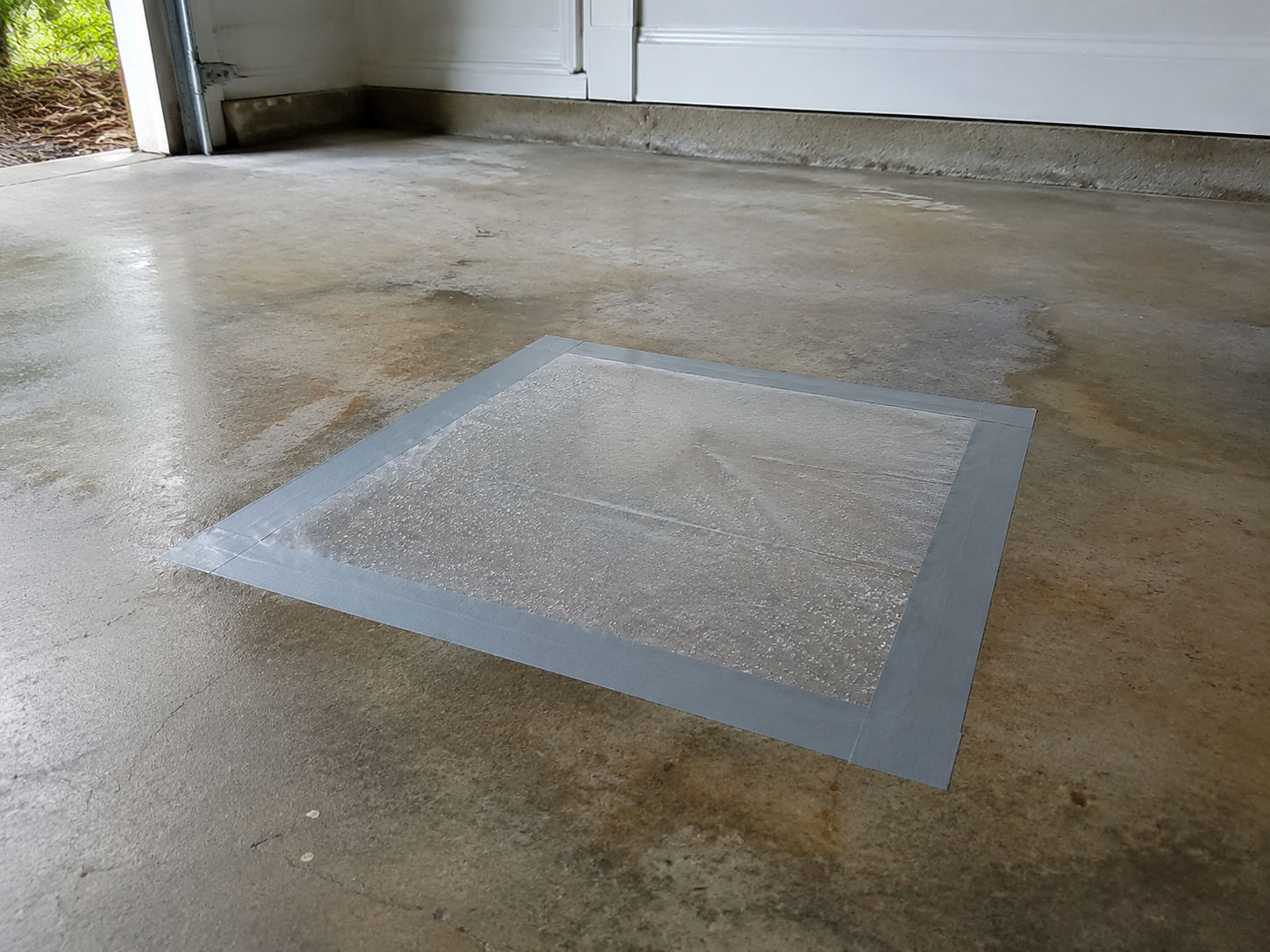
Here is the mechanism. Concrete is porous, and vapor rises through it from the ground below. An uncoated floor lets that moisture evaporate off the top. Seal the surface with epoxy and you close that path, so any excess vapor can collect underneath instead of escaping.
The fix is prevention, not luck. A proper installation includes moisture testing before anything goes down, and a moisture-mitigating primer or vapor barrier when the readings call for it. A floor that is tested, cleaned, and coated correctly rarely runs into mold trouble. This matters more on below-grade slabs and in older homes around Fairfax and McLean, where original garage concrete was often poured without a modern vapor barrier.
Epoxy garage floor cost in 2026 sits around $3 to $12 per square foot, or roughly $2,000 to $5,400 for a two-car garage done by a pro. The number that protects that investment is not the coating price, it is the prep. A dry, sound, well-ground slab is what makes epoxy or a polyaspartic topcoat last for years instead of peeling in a season.
Thinking about a garage floor or another project on your home? Request a free estimate from My Painter & Exteriors and get a straight answer on prep, coatings, and cost. We handle residential painting and epoxy floors in Arlington and Northern Virginia.